Home / Grounds
Keepsake 03 · The ticket stub
Standing Room Only on the Old Kop
A torn stub, a turnstile click, and the long climb up the steps to the place you always stood.
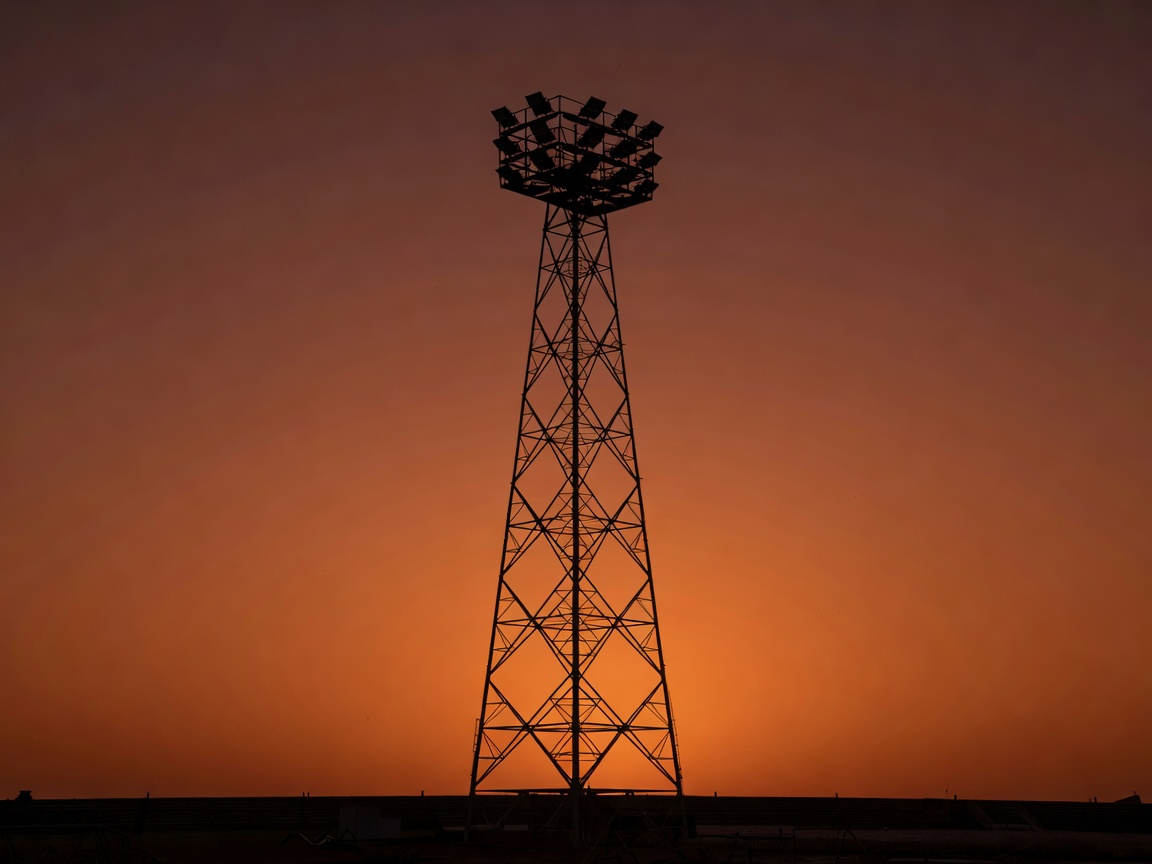
Ask anyone over forty about their first game and they rarely start with the score. They start with the walk: terraced streets, the smell of fried onions, the pylons appearing over the rooftops. Then the turnstile, cash handed through a hatch, and the sudden green of the pitch.
Old grounds were loved deeply. They were also, at times, unsafe, and people lost their lives in them. Any honest look back has to hold both of those truths at once, so this keepsake is turned over gently.
The Kop gets its name
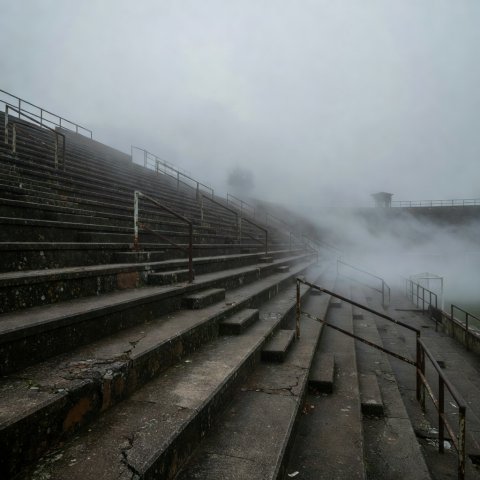
The Battle of Spion Kop in 1900, during the Boer War, cost many soldiers from Lancashire regiments their lives on a steep hill in Natal. Within a few years, high banks of terracing were being nicknamed after it. Liverpool's Spion Kop at Anfield opened in 1906, and dozens of grounds followed with their own Kops.
Leitch and the grandstand
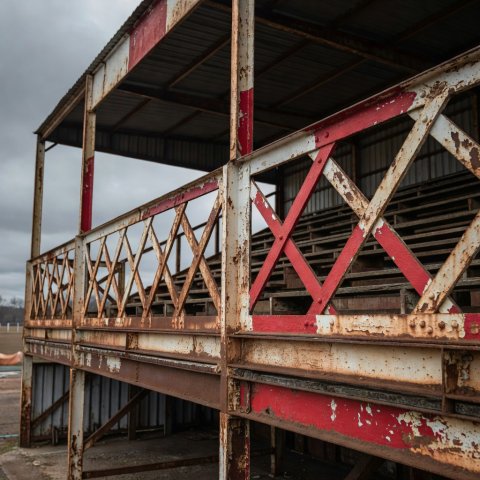
Scottish engineer Archibald Leitch designed or remodelled stands at more than twenty British grounds in the early twentieth century, including Ibrox, Goodison Park and Craven Cottage. His criss-cross steel balcony detailing became one of the most recognisable sights in British football.
Under the lights
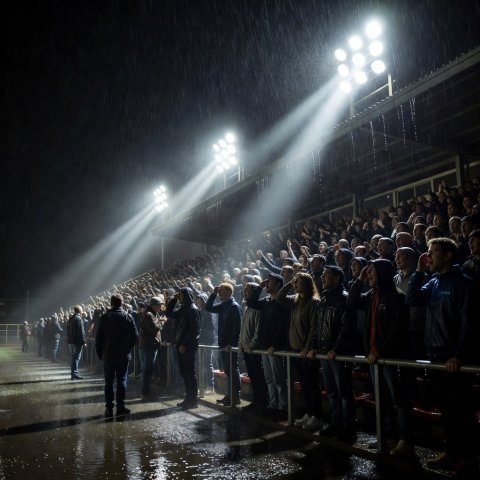
An exhibition match was played under electric lights at Bramall Lane, Sheffield, as early as October 1878. The football authorities were slow to embrace floodlit football, however, and the first Football League match under lights was Portsmouth against Newcastle United at Fratton Park in February 1956. Corner pylons soon became landmarks.
Tragedy and the Taylor Report
The Bradford City fire in May 1985 killed 56 people. At Hillsborough in April 1989, 97 Liverpool supporters lost their lives. Lord Justice Taylor's final report, published in January 1990, recommended all-seater stadiums, which became required in England's top two divisions. The Kop at Anfield held its last standing crowd on 30 April 1994.
Then and now
| Feature | Then | Now |
|---|---|---|
| Where you stood | Open terraces with crush barriers | Seats at top level; licensed safe standing at some grounds |
| Getting in | Cash at the turnstile | Tickets bought in advance, often on a phone |
| Half-time scores | Lettered boards matched to the programme | Big screens and phone alerts |
| Lighting | Four tall corner pylons | Floodlights built into roof edges |
Many fans feel genuine affection for those old Saturdays and genuine relief that today's grounds are safer. Both feelings are fair. The return of licensed safe standing areas in England from 2022 shows that the conversation about how we watch continues.
If you still have a stub from a ground that's gone, keep it. It's a small piece of local history, and of yours.